


A lifelong right of residence has an economic effect similar to that of usufruct, but is more narrowly defined, as it usually only permits personal use rather than renting out by the beneficiary.
The capitalized value is calculated based on the local comparative rent for the affected rooms as well as the statistical life expectancy of the beneficiary, and is deducted from the market value of the unencumbered property.
For heirs, an existing right of residence often means that a property can only be sold at full market value once the right has lapsed.
A legal distinction must be made between the registered right of residence (dingliches Wohnrecht), which is entered in the land register and remains effective against subsequent purchasers, and a merely contractually agreed right of residence, which is valid only between the contracting parties.
Without registration in the land register, there is no automatic binding effect when the property is sold to third parties, which is why heirs and buyers should always carefully check the registration status.
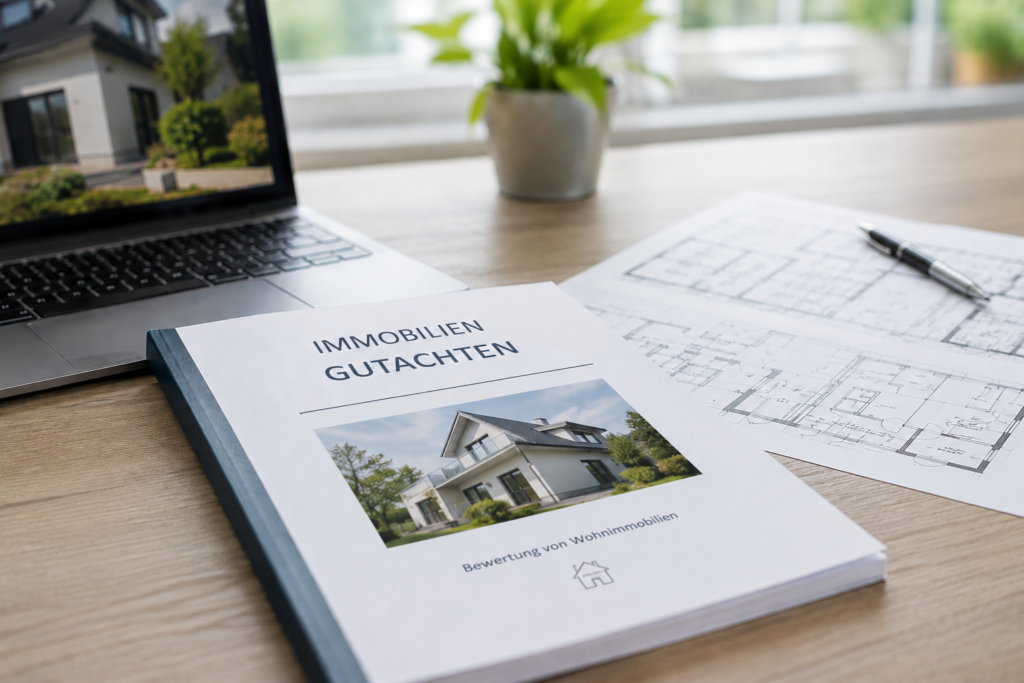
For the division of an estate and for dealings with the tax office, what carries weight is the market value report.
Please note: the content of this article is provided for general information only and does not constitute legal, tax, financial or investment advice. It is not a substitute for individual advice from a licensed lawyer, tax adviser or financial adviser. Despite careful research, we accept no liability for the accuracy, completeness or currency of the information provided. For specific legal or tax questions, please consult a qualified professional adviser.