


Although the living areas of multiple units are added together, certain calculation parameters in the federal model have different effects depending on the type of building and the number of residential units.
Under the federal model, single-family houses tend to be assessed with a higher valuation factor than comparable multi-family houses, which can be reflected in the resulting tax burden per square meter.
However, the specific impact strongly depends on the respective federal state and the valuation model applied, so a general statement is only possible to a limited extent.
The number of residential units can also influence the fundamental classification as a single- or two-family house versus a multi-family house, which in turn determines which valuation method is applied under the federal model.
Since the sales comparison approach and the income approach differ methodologically, even a slightly different classification can have a noticeable impact on the assessed land tax value.
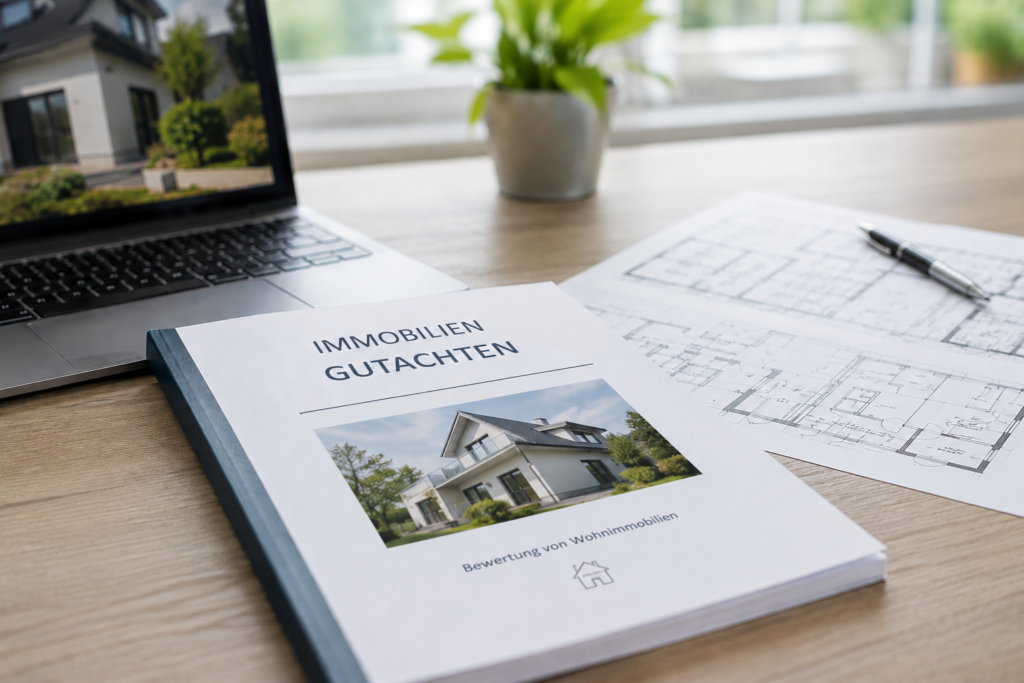
Evidence of the lower fair market value is provided by the market value report.
Please note: the content of this article is provided for general information only and does not constitute legal, tax, financial or investment advice. It is not a substitute for individual advice from a licensed lawyer, tax adviser or financial adviser. Despite careful research, we accept no liability for the accuracy, completeness or currency of the information provided. For specific legal or tax questions, please consult a qualified professional adviser.