


Since no building is present, the usual consideration of building type, year of construction, or statistical rent is completely omitted – only the land value is decisive.
This can lead to comparatively high property tax values, particularly for building-ready land in sought-after locations, as high standard land values are often applied here.
Some federal states also provide for an increased property tax C for building-ready but undeveloped land in order to counteract land speculation.
Since standard land value zones are sometimes delineated on a small scale, even a distance of a few hundred meters can lead to noticeable differences in the applied value.
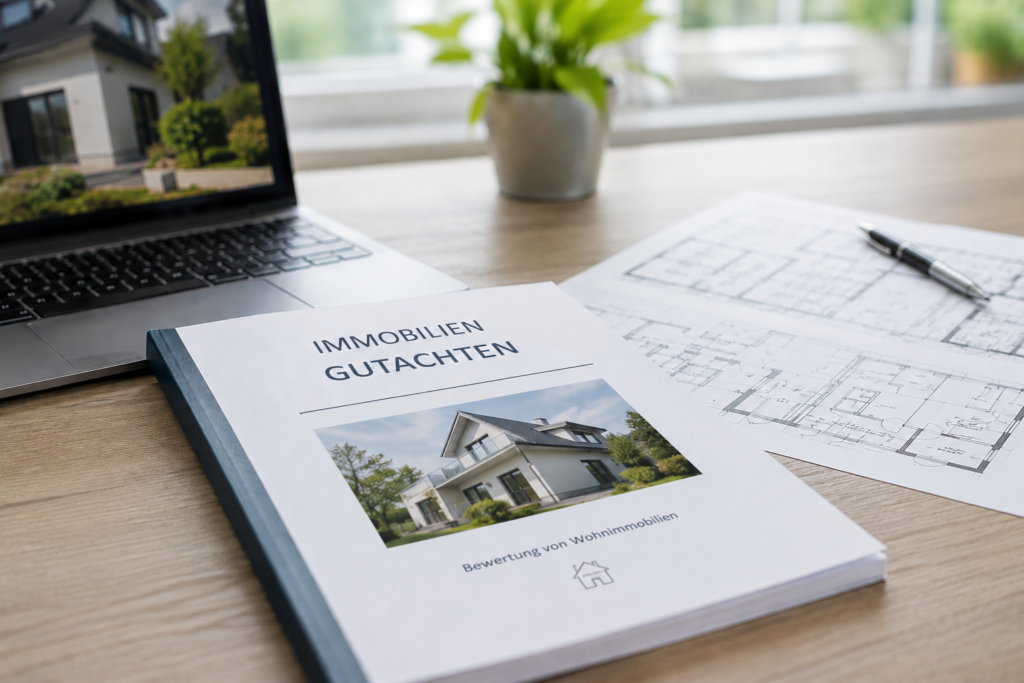
If the property borders a zone boundary or has atypical characteristics, an appraisal report can plausibly document the individual deviations from the standardized zone value.
Anyone seeking to evidence a lower value to the tax office needs a market value report.
Please note: the content of this article is provided for general information only and does not constitute legal, tax, financial or investment advice. It is not a substitute for individual advice from a licensed lawyer, tax adviser or financial adviser. Despite careful research, we accept no liability for the accuracy, completeness or currency of the information provided. For specific legal or tax questions, please consult a qualified professional adviser.