


The so-called tapering rule (Abschmelzungsregelung) ensures that a gift is taken into account for the supplementary compulsory portion claim (Pflichtteilsergänzungsanspruch) at a diminishing proportion for each full year that has passed since the transfer.
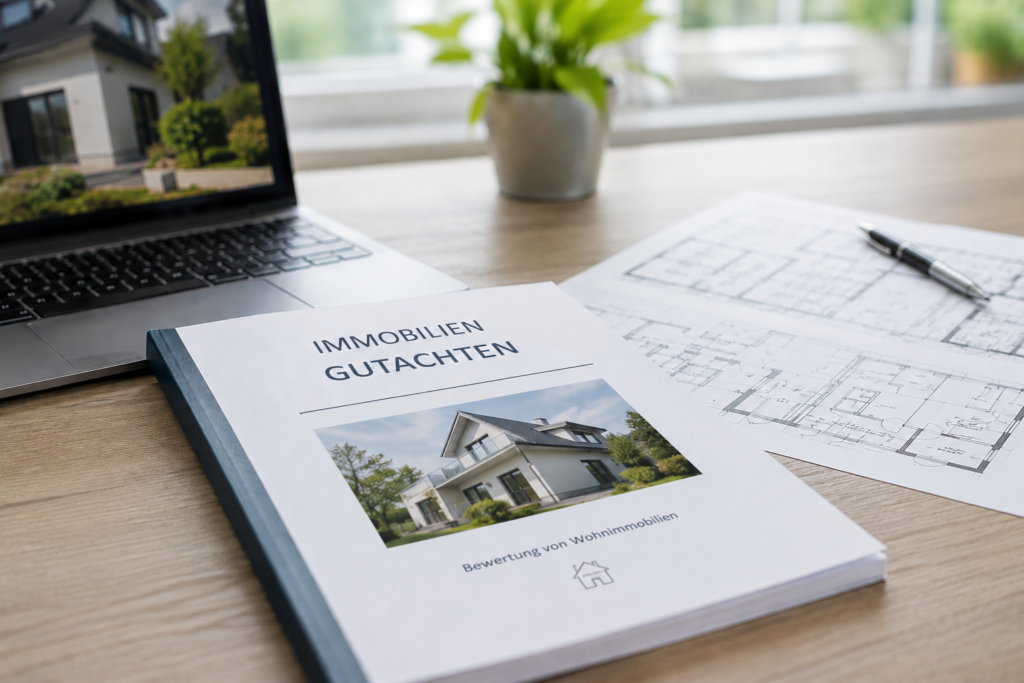
In principle, the value of the property at the time of the gift, rather than the later value at the time of death, is decisive for the valuation, which often requires a retrospective appraisal report.
If the donor reserved a right of usufruct or a right of residence, the ten-year period, according to prevailing case law, only begins to run once this right has actually lapsed.
An important exception applies to gifts between spouses during an existing marriage: according to the prevailing view, the ten-year tapering period does not begin to run here as long as the marriage continues to exist.
This special rule can be used strategically in estate planning, but should always be carefully considered in conjunction with the chosen marital property regime and the applicable tax allowances.
For the division of an estate and for dealings with the tax office, what carries weight is the market value report.
Please note: the content of this article is provided for general information only and does not constitute legal, tax, financial or investment advice. It is not a substitute for individual advice from a licensed lawyer, tax adviser or financial adviser. Despite careful research, we accept no liability for the accuracy, completeness or currency of the information provided. For specific legal or tax questions, please consult a qualified professional adviser.