

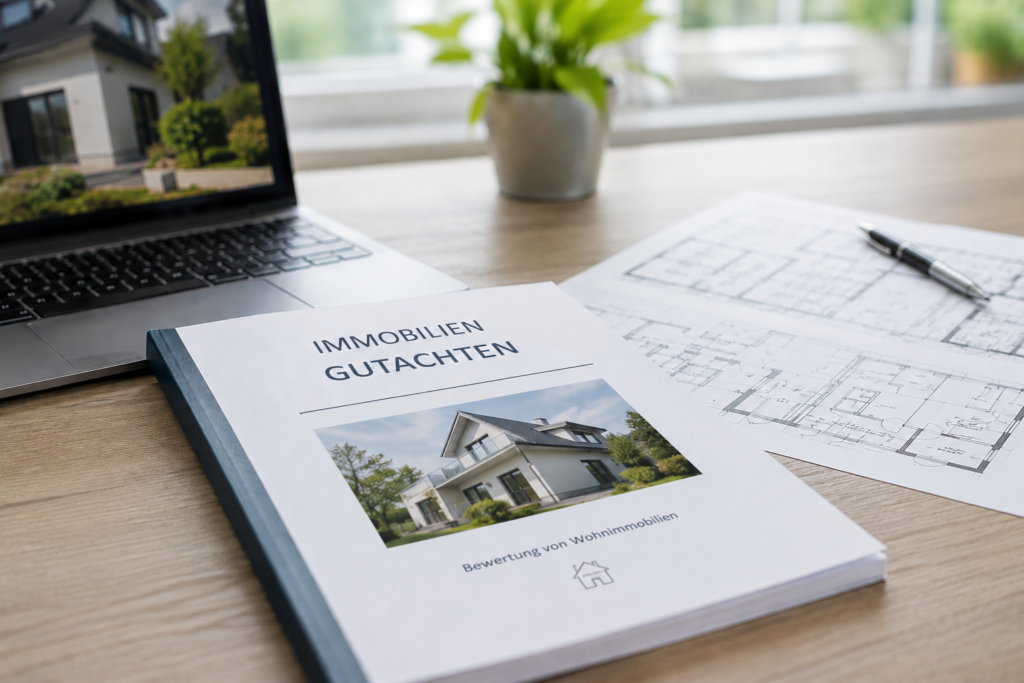

In practice, it is advisable to jointly engage an independent, publicly appointed valuer at an early stage to establish a valuation basis that is comprehensible and accepted by all parties.
If this attempt also fails, the partition auction remains the last resort, in which the property is sold off by force – usually at a price below its actual market value.
Since a partition auction can be financially disadvantageous for all parties involved, a well-founded appraisal report often serves specifically to avoid this procedure.
Before a partition auction takes place, the probate court or a valuer jointly commissioned by the co-heirs can often prepare an amicable solution, for example by proposing a settlement payment to the co-heir wishing to withdraw.
The local court, acting as the enforcement court at the location of the property, is responsible for the partition auction; experience shows that the process takes several months and involves additional costs.
To evidence a lower fair market value to the tax office under section 198 BewG, you need a market value report.
Please note: the content of this article is provided for general information only and does not constitute legal, tax, financial or investment advice. It is not a substitute for individual advice from a licensed lawyer, tax adviser or financial adviser. Despite careful research, we accept no liability for the accuracy, completeness or currency of the information provided. For specific legal or tax questions, please consult a qualified professional adviser.